A Year After the Tax Credit Ended
Today marks one year since the federal EV tax credit ended.
When it happened, I expected the biggest impact to be on the more affordable EVs. The $7,500 credit had price caps and income limits, so most people shopping for a $100,000 EV weren't getting it anyway. Luxury should have been fairly well protected, and it turned out to be the part of the market that got hit the hardest.
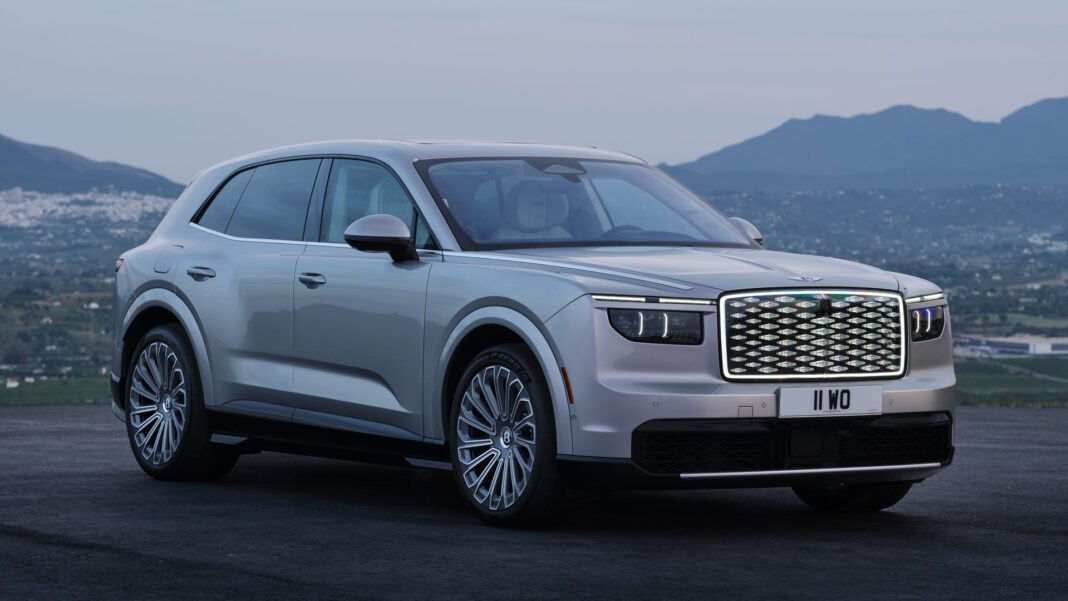
Bentley's Torcal, its first EV, starts at $218,000 in the US.
Leasing was the part I underestimated
The consumer credit had restrictions, but the commercial credit used for leased cars worked differently. A leasing company could claim the full $7,500 with no price cap and no income limit on the driver, then pass some or all of it through in the monthly payment.
That made a big difference in luxury, because Audi, Mercedes and BMW were leasing the vast majority of their EVs. J.D. Power had it at 94% for Audi, 93% for Mercedes and 89% for BMW. When the credit went away, a good part of what made those payments attractive went with it.
You can see it in the sales. Audi's US EV sales were down 85% in the first half of 2026 compared with the same stretch a year earlier. Mercedes was down 63%, Porsche 59% and BMW 56%, while the EV market as a whole was down about 24%.
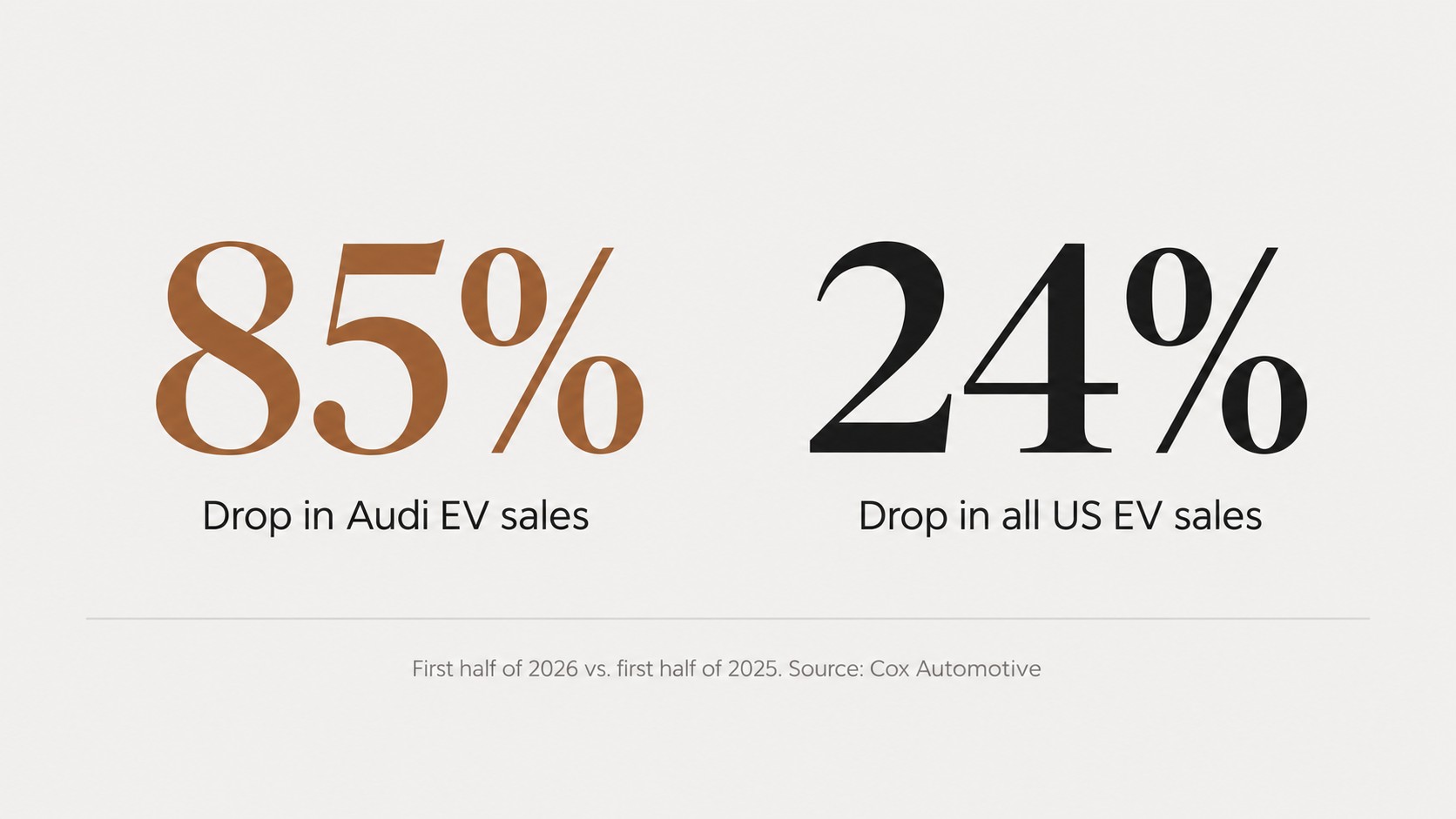
First half of 2026 against the first half of 2025, from Cox Automotive's quarterly estimates.
That doesn't mean wealthy buyers stopped wanting EVs. Cadillac, Rivian and Lucid all did better over the same period. What changed was the deal itself. A luxury EV that made sense at one monthly payment became a much harder decision once the $7,500 was gone.
The next ones cost more
You'd expect automakers to respond by making their EVs easier to buy. Several luxury brands are going the other way. Porsche's new Cayenne Electric starts above $110,000, the Range Rover Electric is at about $140,000, and Bentley's Torcal starts at $218,000.
It seems backwards at first that the part of the market hit hardest is getting its most expensive EVs yet, but the credit means something different at those prices. On a $70,000 car, $7,500 is roughly a tenth of the price and can move the monthly payment enough to decide whether someone signs. On a Torcal it's about 3%, and it's unlikely to be the reason anyone buys one or walks away. These brands may not be trying to win back the volume they lost. They may be moving toward customers for whom the credit was never going to decide anything.
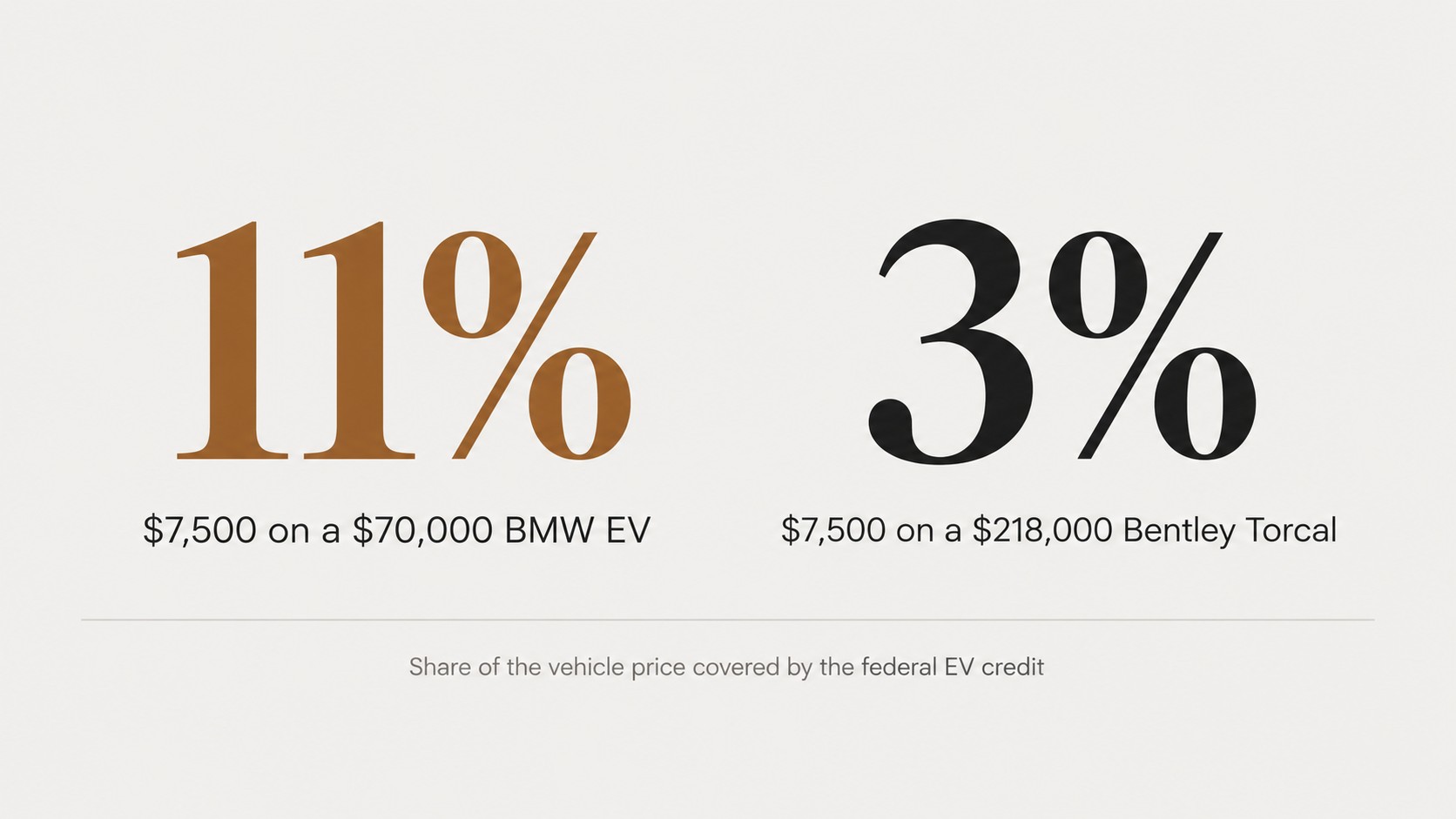
The same $7,500 at two very different prices.
Tesla went through this first
Tesla dealt with its own version of this years before everyone else. It crossed the 200,000-car threshold in 2018, the credit was cut in half at the start of 2019, and it was gone by the end of that year. I was at Tesla through that period.
We didn't just absorb the $7,500 and make every car cheaper. We worked on the rest of the deal, with free Supercharging, low interest rates, free paint and wheel upgrades and leases that got more attractive. Sometimes a car got more expensive and gained range in the same update, so the buyer paid more but got more car for it. Later, when the credit came back under new rules and only the Model 3 and Model Y qualified, we pushed more of our sales toward those two.
So far the luxury brands haven't done much of that. BMW pulled the iX from the US and Porsche dropped two versions of the Taycan, while the next wave of luxury EVs is arriving at much higher prices.
Demand is still the open question
Pricing above the point where $7,500 matters doesn't solve everything, because you still need buyers. There are already signs that the ultra-luxury customer is less interested in going electric than automakers hoped. Lamborghini shelved its electric GT after its CEO said demand from his customers was going almost to zero, and Rolls-Royce Spectre sales are down nearly by half.
Nobody spending $150,000 or $200,000 on an SUV needs $7,500 from the government. What's still unclear is how many of those buyers want their next SUV to be electric, and with Bentley starting US deliveries early next year, it won't take long to find out.