Tesla Semi Is Finally Scaling. The Hard Part Comes Next.
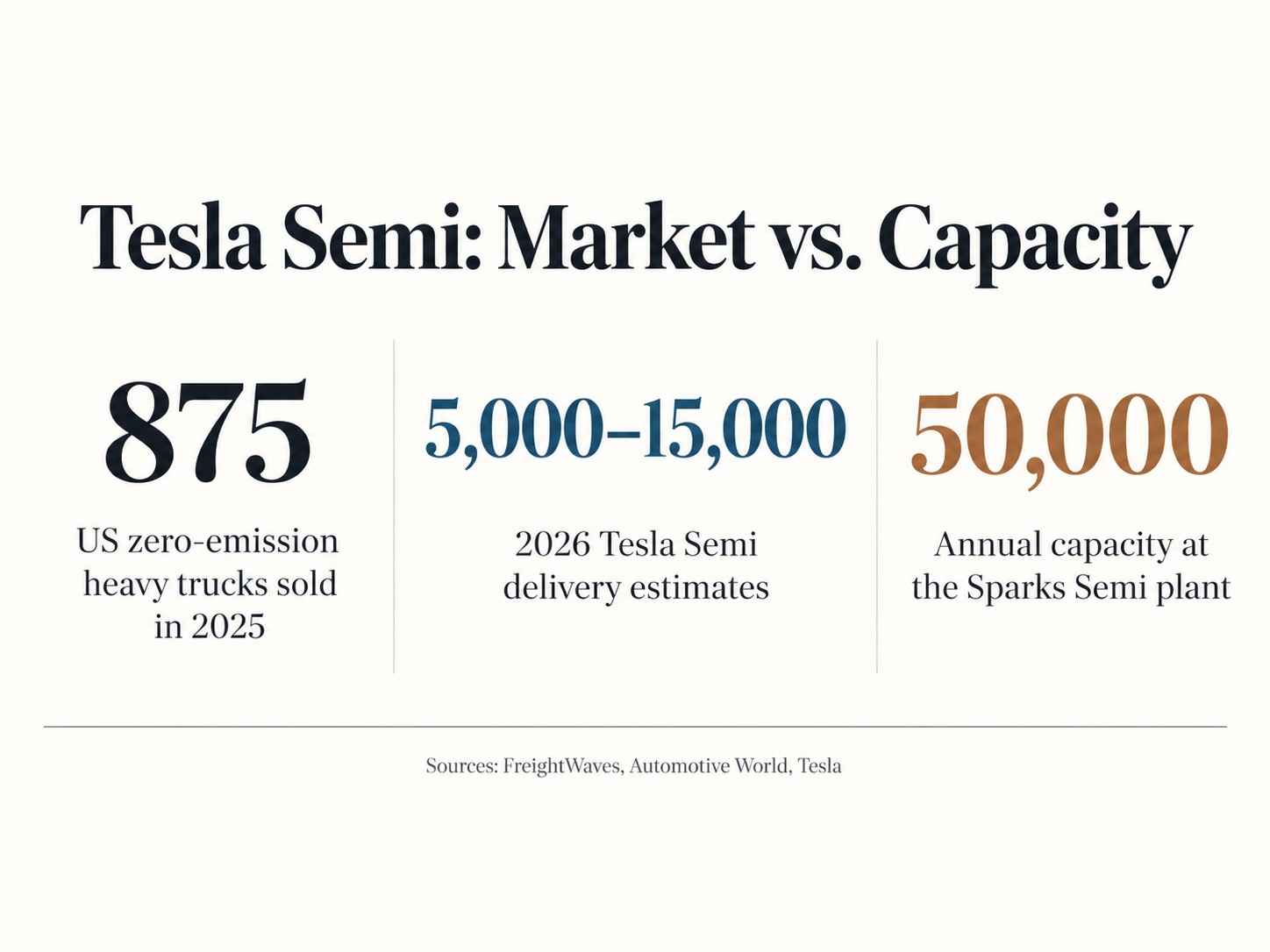
Tesla has officially started high-volume Semi production in Nevada. Now comes the harder part: getting fleets ready to use them.
Tesla can build the trucks. Fleets still have to figure out where they charge, how they get serviced, and which routes actually make sense for electric heavy-duty trucks.
That is where this gets interesting.
Power is probably the biggest bottleneck
A fleet can buy trucks faster than it can upgrade a depot.
Heavy-duty charging requires serious power. That can mean utility upgrades, new equipment, permits, construction, and a lot of coordination before the first truck even arrives.
This gives fleets with predictable routes and centralized yards a big advantage.
If the truck leaves from the same place every morning and comes back every night, charging becomes much easier to plan.
Service matters just as much
A truck sitting in a service bay is not making money.
That is why uptime will matter as much as range or charging speed.
Large fleets will want to know that parts, technicians, and repair support are close enough to keep the trucks moving before they commit in real volume.
Tesla has spent years building that support structure for passenger vehicles. The Semi will need its own version of it.
The first fleets make sense
PepsiCo is a good example of why the first adopters look the way they do.
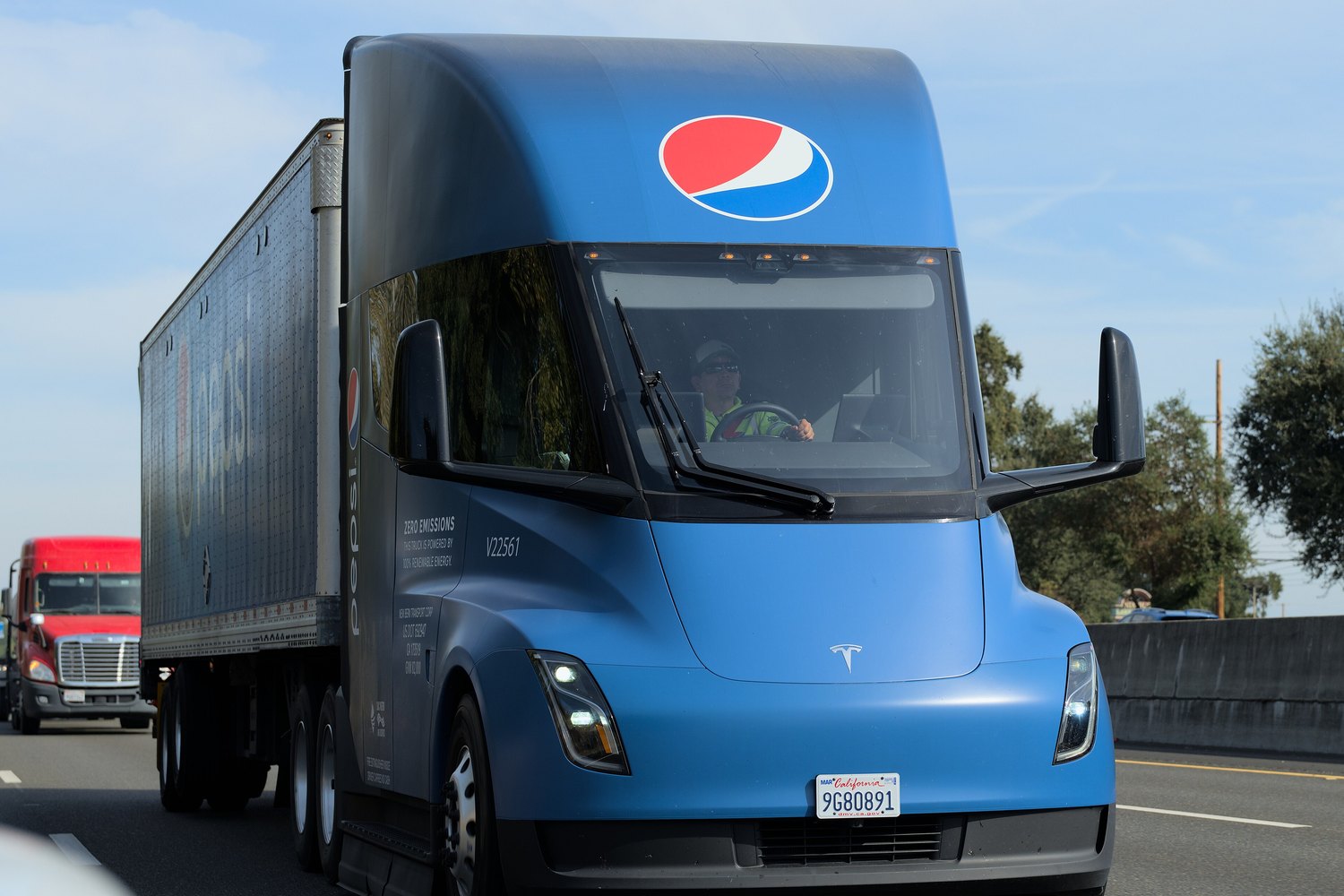
Photo by Dllu, CC BY-SA 4.0, cropped.

Many of these trucks run predictable regional routes and return to the same yard at the end of the day. The fleet controls the charging, knows the mileage, and knows where the truck will be serviced.
Public charging barely matters in that setup.
That is probably how electric trucking grows at first. Not everywhere at once, but depot by depot and route by route.
The economics still matter
Electric trucks have a clear fuel-cost advantage, especially when diesel prices are high.
But fleets do not buy trucks based on fuel savings alone.
They care about the full operating picture: purchase price, charging infrastructure, uptime, maintenance, financing, resale value, and whether the truck can reliably do the job every day.
That is why the Semi has to prove more than efficiency.
It has to prove that the entire operating model works.
What happens next
Tesla does not need to replace diesel overnight for the Semi to matter.
The bigger opportunity is proving that electric trucks can work reliably at scale in the right operating environment.
If that happens, adoption can spread one fleet and one depot at a time.
That is the real test now.